

Managing trade effluent is a critical challenge for businesses in industries such as food and beverage, manufacturing, and processing. Trade effluent charges, often based on factors like chemical oxygen demand (COD), biological oxygen demand (BOD), suspended solids and volume of discharge, can represent a significant operational cost.
However, with the right effluent treatment systems, companies can drastically reduce these charges while improving sustainability and compliance.
Why Are Trade Effluent Charges Rising?
Trade effluent charges are designed to cover the cost of treating and safely discharging industrial wastewater. In recent years, these costs have escalated due to:
- Stricter environmental regulations and compliance requirements
- Rising energy and water costs
- Increased disposal costs for sludge and other byproducts
For many businesses, this means paying more for wastewater that could be pre-treated or reduced at source.
The Smart Way to Reduce Charges
At Water Tecnik, we know only too well that modern wastewater treatment is no longer about “one-size-fits-all” solutions. Instead, bespoke systems can target the exact pollutants in your effluent stream and optimise your plant’s performance. Here’s how:
- Reduce Suspended Solids and FOG (Fat, Oil, Grease)
FOG buildup and high levels of total suspended solids (TSS) are among the biggest drivers of high effluent charges. Installing dissolved air flotation (DAF) systems, screening equipment or separators can significantly reduce these contaminants before discharge. - Lower BOD and COD Levels
High BOD and COD values increase charges because they demand more oxygen during treatment. By using biological and chemical pre-treatment solutions, businesses can break down organic matter and remove contaminants more efficiently. - Minimise Sludge Volumes
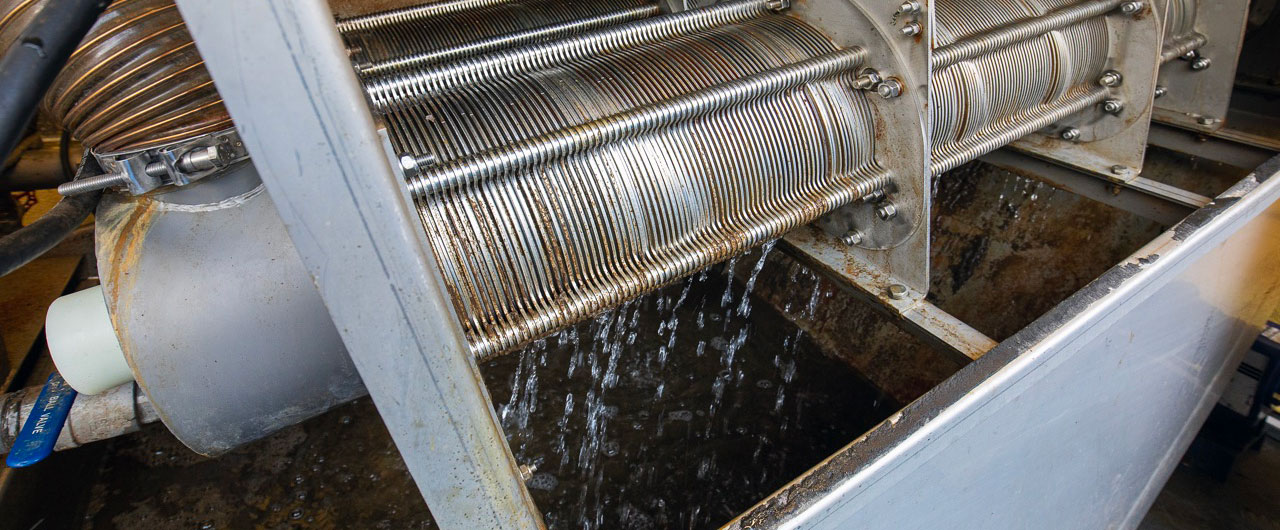
Sludge disposal is a major cost factor. Bespoke equipment designed to dewater and compact sludge can drastically cut disposal costs. Our disc screw press can recover up to 95% of lost revenue. It delivers massive savings when managing waste activated sludge, DAF sludge and industrial sludge. In some cases, sludge byproducts can even be recycled or repurposed. - Reduce Water Consumption and Reuse Wastewater
Smart systems can integrate water recycling technologies, allowing businesses to reuse treated water for non-potable purposes. This was evident in a recent project for a plastics recycling company. This not only reduces freshwater costs but also lowers discharge volumes and therefore charges. - Monitor and Optimise in Real-Time
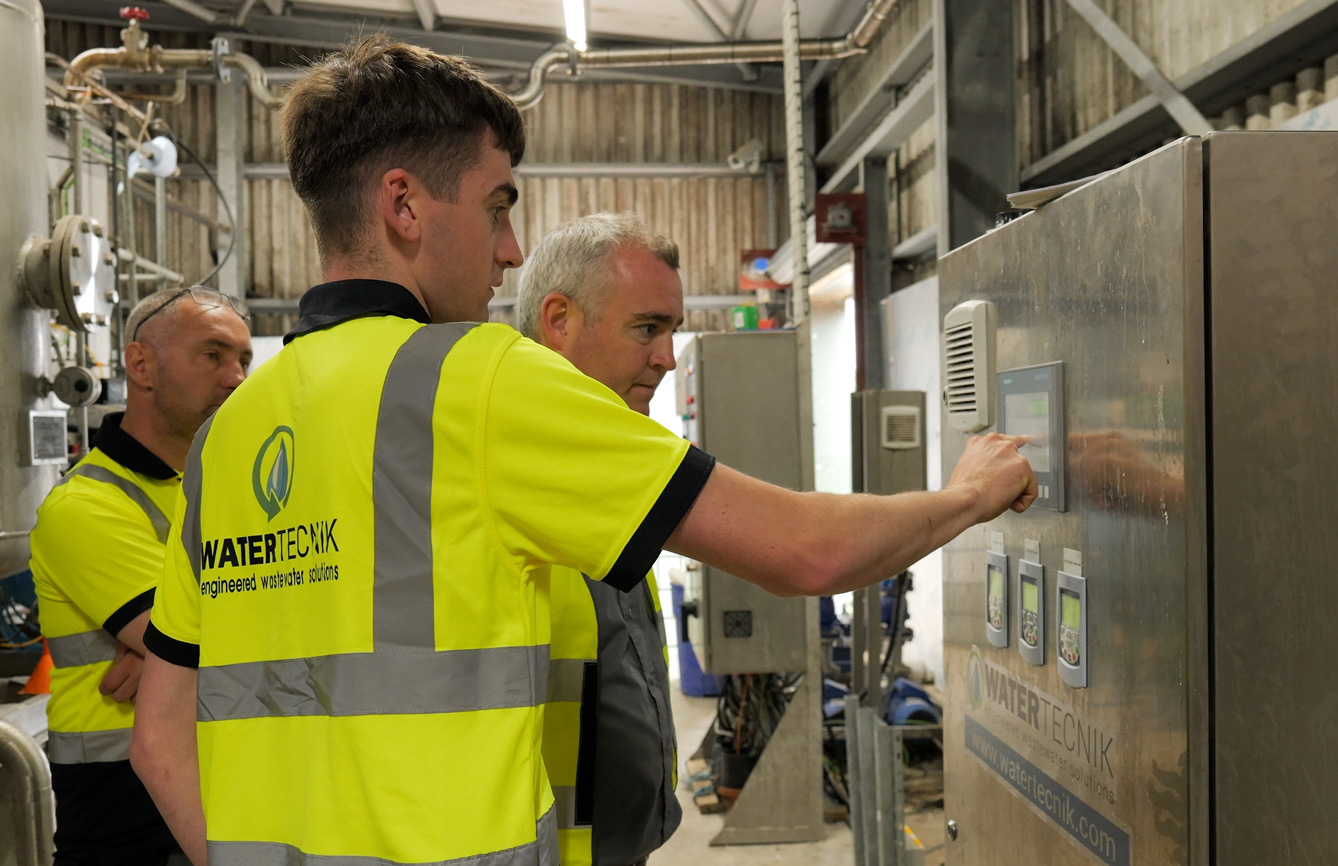
With our remote monitoring and service plans, companies can prevent breakdowns and ensure their effluent systems always perform at peak efficiency. Real-time data analytics can also help track key metrics like pH, TSS, and flow rates to keep operations compliant and cost-effective.
How Water Tecnik Can Help
At Water Tecnik, we specialise in designing bespoke effluent treatment systems tailored to your site’s exact needs. Whether you run a single production line or manage multiple wastewater streams, our solutions help you:
- Stay compliant with environmental regulations
- Reduce effluent charges by lowering BOD, COD, TSS, and FOG levels
- Save on sludge disposal and energy costs
- Meet sustainability targets through water recycling and low-carbon chemical options
Our service plans and remote monitoring ensure long-term reliability and efficiency, reducing operational costs while protecting the environment.
Are You Ready to Lower Your Trade Effluent Charges?
By investing in a smart, customised effluent treatment system, your business can reduce costs, improve compliance, and build a more sustainable future.
Contact Water Tecnik today to find out how we can tailor a solution to your company’s unique challenges.